Bringing a puppy home comes with plenty to think about, and choosing food can feel like one of the biggest decisions. Labels may use words such as “complete”, “premium”, “grain-free” and “wheat-free”, but what should you focus on first?
The best starting point is food made for puppies that provides complete nutrition for growth. From there, consider your puppy’s individual needs, check how to feed the food, and ask your vet for advice if you have concerns about their health or digestion.
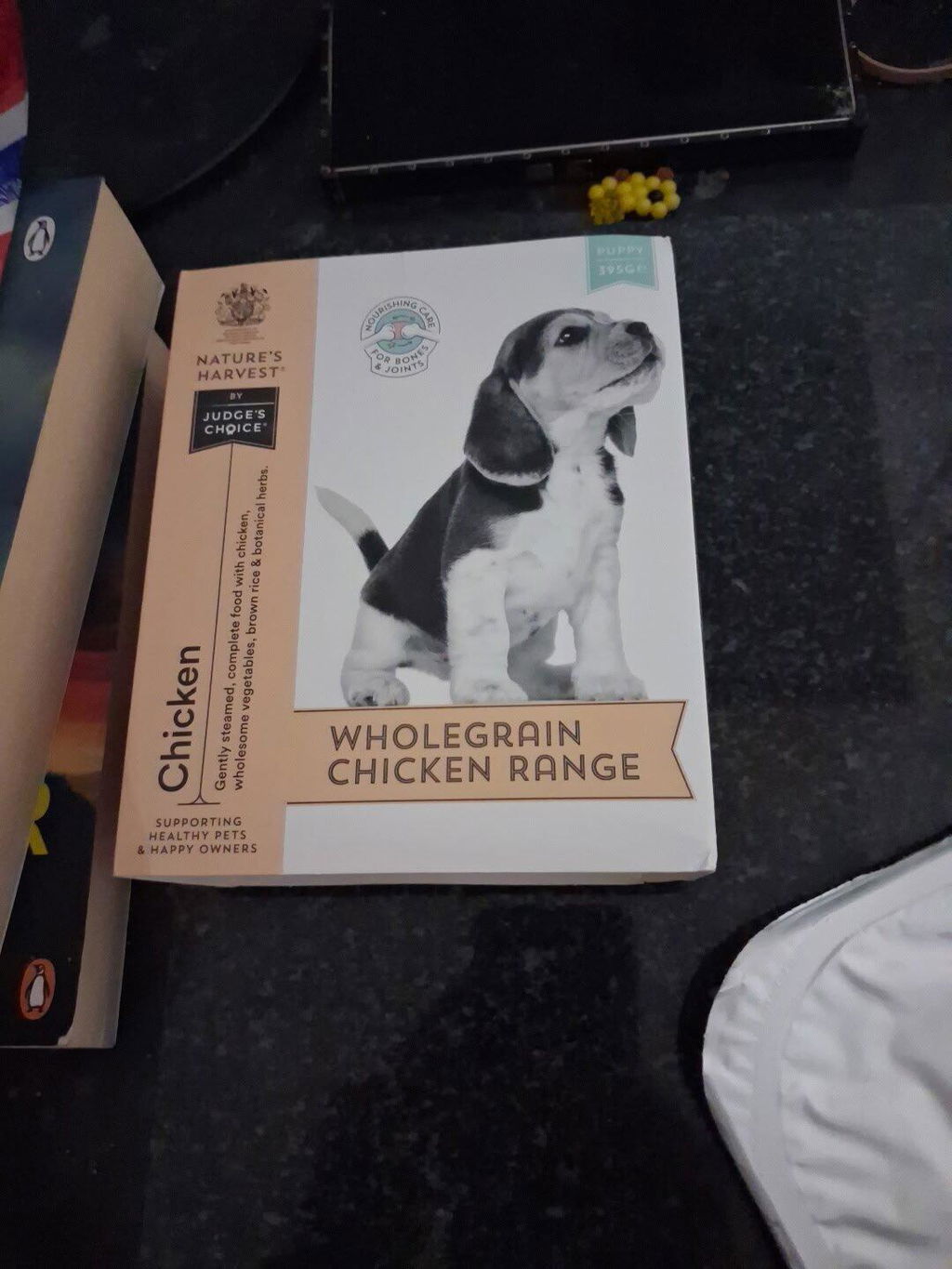
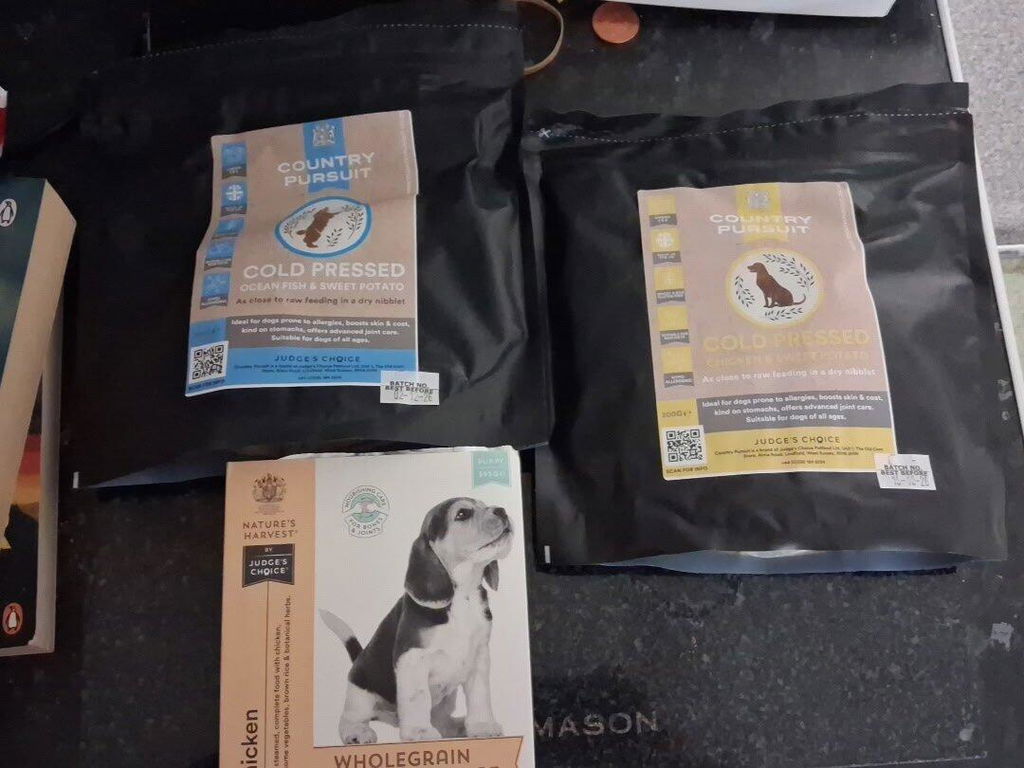
At Judge’s Choice, Premium Puppy is the name of our Country Pursuit puppy food. It is a complete dry food made without wheat or gluten. Here’s what those details mean, and what else to look for when choosing food for a new puppy.
Start with food made for growth
Puppies grow quickly, so their nutritional needs are different from those of adult dogs. Look for food clearly labelled as a complete food for puppies or growth. “Complete” means the food is intended to provide the nutrients a dog needs when fed according to its directions, rather than being used only as a topper or treat.
Check the life stage and any size guidance on the packaging. A puppy’s expected adult size can be relevant when choosing a food and planning portions, so speak to your vet if you are unsure what is suitable for your dog.
The Royal Kennel Club’s guide to feeding puppies offers practical advice on meals and feeding routines. Your vet can also help you make sense of the food label and your puppy’s particular needs.
Look beyond words like “premium”
“Premium” can appear on many pet food labels, but the word alone does not tell you whether a food is right for your puppy. A higher price or a particular ingredient claim is not a substitute for checking whether the food is complete, suitable for growth and supported by clear feeding instructions.
It also helps to choose a company that provides straightforward product information and can answer questions about its recipes. The British Veterinary Association’s advice on feeding dogs explains why it is useful to look at the overall diet, rather than relying on a single claim on the front of a pack.
Our Country Pursuit Premium Puppy food is a complete dry puppy food made with 30% chicken, and it is wheat gluten free. The recipe is suitable for puppies of all breeds aged 2 to 12 months, including growing large breeds, and also for litter mothers. It contains no artificial colours, flavours or preservatives, and includes added glucosamine and chondroitin to support developing joints. Check the product page for the latest product details and feeding directions.
What does wheat-free mean?
A wheat-free food is made without wheat. That can be useful for an individual dog who needs to avoid it, but it does not mean that every puppy needs a wheat-free diet, or that wheat-free food is automatically healthier for all dogs.
Wheat-free is not the same as grain-free. For example, Country Pursuit Premium Puppy contains rice, which is a grain, while being wheat gluten free. The European Pet Food Industry Federation’s guide to grain-free pet food explains that grain-free diets are not automatically better for every pet. The right choice depends on the dog and the overall nutritional balance of the food.
Some dogs can have adverse reactions to food ingredients, but it can be difficult to identify the cause from symptoms alone. Food allergies may involve different ingredients, and signs such as itchy skin, recurrent ear problems, vomiting or diarrhoea can have other causes too. The PDSA’s advice on food allergies in dogs recommends getting veterinary guidance rather than trying to diagnose an allergy at home.
If you suspect your puppy is reacting to an ingredient, speak with your vet before changing foods. They can assess the symptoms and advise whether a controlled diet trial is appropriate. Avoid removing several ingredients or switching repeatedly without guidance, as this can make it harder to work out what is affecting your puppy.
Make feeding part of a steady routine
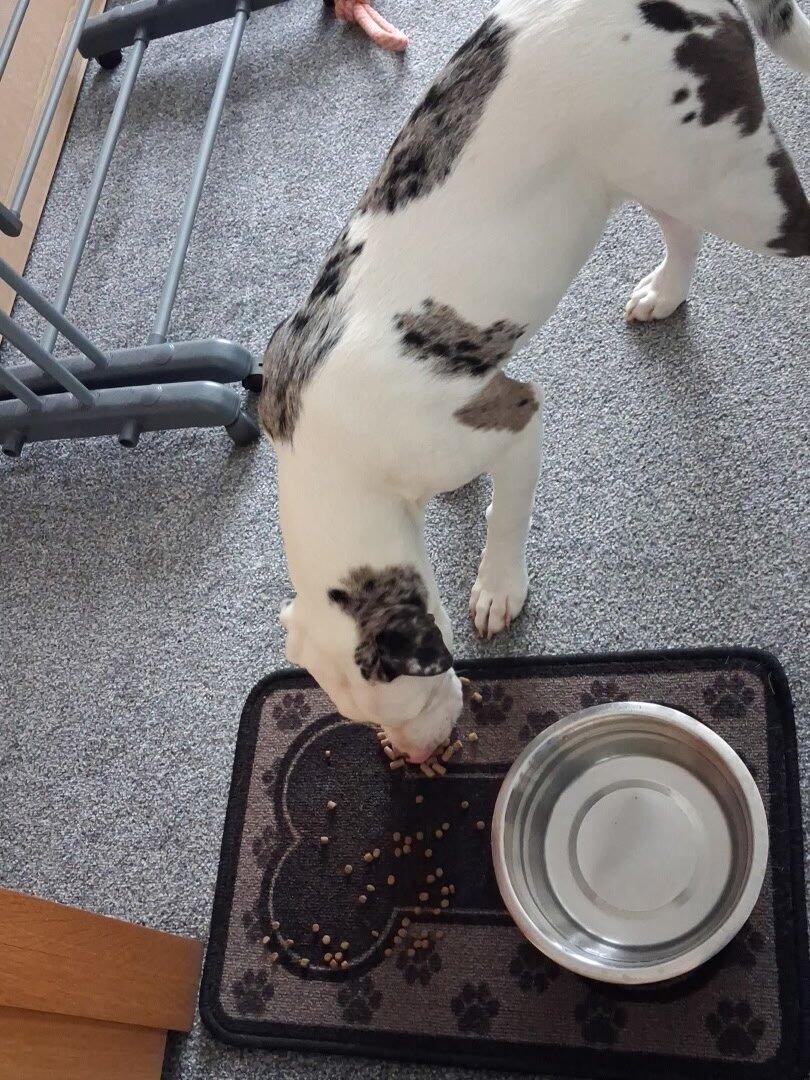
Once you have chosen a suitable food, follow the feeding guide on its packaging. Use it as a starting point, then adjust with advice from your vet if needed. The right amount depends on factors such as age, expected adult size, activity and body condition.
Measure portions rather than guessing, and keep an eye on your puppy’s growth and shape. Treats count too, so keep them modest and make sure they do not replace a balanced puppy diet. Fresh, clean water should always be available.
Puppies generally need their food divided into several meals a day, with the routine changing as they grow. The right schedule varies, so follow the food directions and ask your vet if you are unsure.

If your puppy is already eating a food that suits them, there is usually no need to make a sudden change simply because you have brought them home. When you do change foods, move gradually over several days, mixing increasing amounts of the new food with the old. A slower transition can help avoid an abrupt change to your puppy’s routine. If your puppy develops ongoing digestive problems, contact your vet.
Choose with your puppy in mind
The right puppy food is not defined by one word on the pack. Start with a complete food intended for growth, check that the feeding information is clear, and consider any specific advice from your vet. Wheat-free may be a useful feature for some dogs, but it is not a requirement for every puppy.
We have been making dog food since 1991 as a family-run business, with recipes designed for different dogs and lifestyles. Country Pursuit Premium Puppy is our wheat gluten free complete puppy food, made with 30% chicken and a 10 mm mini kibble that is easy for young mouths to manage. You can read more about the recipe and feeding guidance here.

As your puppy grows, their needs may change. Keep checking their condition, follow feeding guidance and speak to your vet if you have questions about growth, digestion or possible sensitivities. A calm, consistent approach gives you a good foundation for making feeding decisions with confidence.